
 By
By 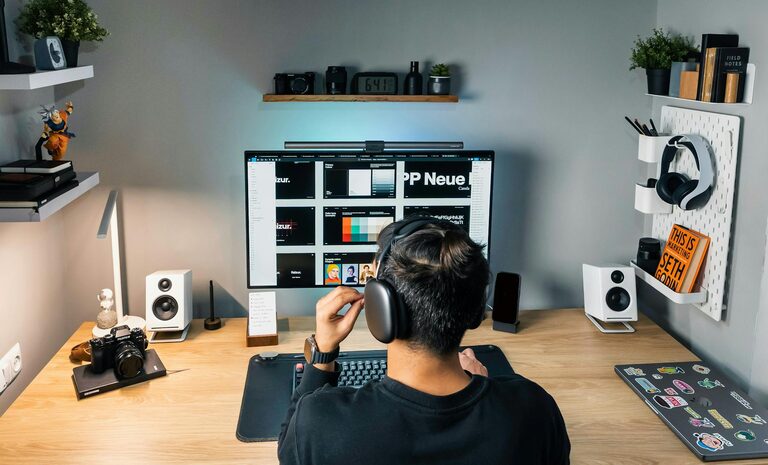
Creating a home workspace that is both cozy and productive can greatly enhance your work-from-home experience. Whether you’re working remotely full-time or need a dedicated area for occasional tasks, the right environment helps you stay focused and comfortable throughout your day. Here are practical tips and ideas for designing a workspace that encourages efficiency without sacrificing warmth or style.
Choose the Right Location
Finding the perfect spot in your home is the first step. Ideally, select a quiet area with minimal distractions. Natural light is a big plus—it helps reduce eye strain and improves mood. Spaces near windows or in a bright corner work well.
Avoid high-traffic zones where interruptions are frequent. If space is limited, consider a nook that can be closed off with a room divider or curtain. Ultimately, your workspace should feel like a separate zone dedicated to work, helping your mind mentally switch on when you enter.
Invest in Comfortable and Functional Furniture
Comfort is key when you’ll be spending hours at your desk.
– Ergonomic Chair: Look for adjustable chairs supporting your back and encouraging good posture.
– Desk: Choose a surface large enough for your computer, notebooks, and other essentials without feeling cramped. Standing desks or adjustable desks can add flexibility.
– Storage: Use shelves, drawers, or organizers to keep clutter off your desk but within reach.
Good furniture lets you focus on tasks rather than discomfort or disorganization.
Personalize Your Workspace with Warmth and Style
A cozy workspace feels inviting and can brighten your mood. Add elements that reflect your taste and make the space enjoyable:
– Soft Textiles: Include a plush rug, cushions, or a throw blanket for added warmth.
– Plants: A few potted plants improve air quality and add a natural touch.
– Artwork: Hang prints or photos that inspire or calm you.
– Lighting: Besides natural light, add warm desk lamps or fairy lights to create a relaxing atmosphere during evening hours.
Keep personalization balanced so the area doesn’t become too distracting or cluttered.
Organize for Efficiency
A tidy workspace makes it easier to concentrate and helps reduce stress. Consider these organization tips:
– Declutter Regularly: Remove unnecessary papers and items daily or weekly.
– Use Trays and Holders: Assign spots for pens, papers, and frequently used tools.
– Cable Management: Keep cords and chargers neatly tucked away using clips or cable boxes.
– Digital Organization: Keep your computer desktop and files tidy to save time and frustration.
Establish a routine to maintain order and enjoy a more productive workspace.
Manage Noise and Minimize Distractions
Maintaining focus can be challenging at home. Here’s how to reduce distractions:
– Noise-Canceling Headphones: Block out household noise or play ambient music.
– Set Boundaries: Communicate your work hours to family or housemates.
– Use White Noise: Devices or apps that produce white noise can mask sudden sounds.
– Limit Phone Notifications: Put your phone on silent or use “Do Not Disturb” mode during focused periods.
A calm and quiet workspace supports deeper concentration and effective work sessions.
Promote Good Air Quality and Comfort
A well-ventilated room with fresh air helps keep you alert and healthy.
– Open Windows: When weather permits, fresh air circulation is beneficial.
– Air Purifiers or Fans: Invest in devices to improve air quality or temperature control.
– Maintain Comfortable Temperature: Avoid rooms that get too hot or too cold, adjusting heating or cooling as needed.
Comfort plays an essential role in staying productive throughout the day.
Establish a Clear Work Routine
Creating a routine helps your brain associate your workspace with focus time.
– Start with a Morning Ritual: Prepare a cup of tea or coffee before you sit down.
– Regular Breaks: Take brief breaks to stand, stretch, or move around.
– Set Work Hours: Ending work at a consistent time aids work-life balance and prevents burnout.
– Use To-Do Lists or Planners: Organize your tasks so priorities are clear.
A structured routine keeps you motivated and engaged with your work.
Final Thoughts
Designing a cozy and productive home workspace involves blending comfort, organization, and personal touches. By paying attention to your environment, furniture, lighting, and noise levels, you create a space where you want to spend time and accomplish your goals. Regular upkeep and intentional habits will help you maintain a healthy and inspiring work routine at home.
Try these tips step-by-step, adjusting them to fit your unique needs and preferences. With a thoughtfully designed workspace, remote work becomes a more enjoyable and successful experience.