
 By
By 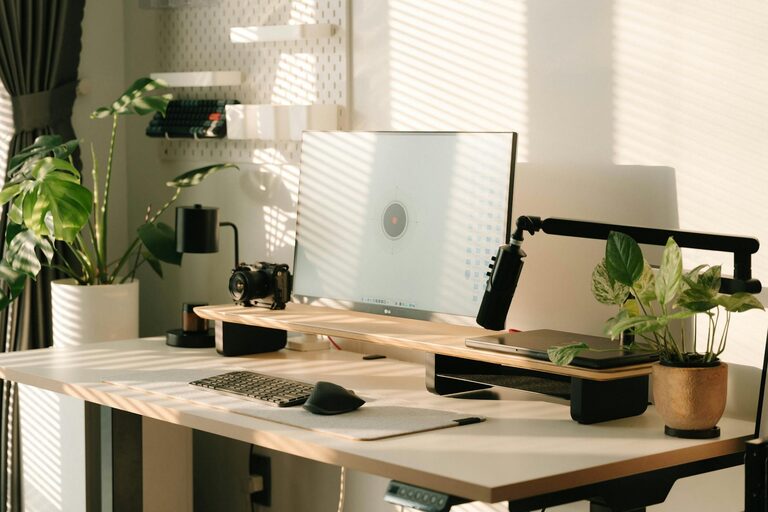
Creating a productive home office space is essential for anyone who works remotely or spends significant time working from home. A well-organized and comfortable workspace can enhance focus, reduce distractions, and increase overall work satisfaction. In this post, we’ll share practical tips to help you design a home office that supports your productivity and wellbeing.
Choose the Right Location
The first step in creating an effective home office is selecting the right spot. Ideally, your workspace should be in a quiet area with minimal foot traffic to avoid interruptions. If possible, choose a room with a door you can close to establish boundaries between work and personal life.
Consider natural light when selecting your office location. A space near a window lets in daylight, which can improve mood and reduce eye strain. If natural light is limited, ensure you have good quality artificial lighting that mimics daylight to keep your workspace bright and inviting.
Invest in Comfortable Furniture
Your furniture choices will have a big impact on your comfort and productivity. Start with a sturdy desk that fits your work essentials without crowding the space. A desk with enough surface area allows you to have your computer, notes, and other tools within easy reach.
Equally important is a supportive office chair. Opt for an adjustable chair that encourages good posture, with lumbar support and comfortable cushioning. Sitting for long hours requires ergonomic support to prevent back and neck pain.
Organize Efficiently
Keeping your workspace tidy helps maintain focus. Use shelves, drawers, and desk organizers to store supplies and reduce clutter. Assign specific spots for frequently used items like pens, notebooks, or chargers, so you can easily find them when needed.
Cable management solutions, such as clips and sleeves, can keep cords neat and prevent tangling. This not only improves aesthetics but also reduces distractions caused by messy cables.
Establish a Consistent Routine
Designing your home office is one part; building a routine is another. Set regular work hours to create a sense of normalcy and discipline. Start your day with a morning ritual, like reviewing your schedule or enjoying a cup of coffee, to prepare mentally for work.
Take regular breaks to stretch, hydrate, and rest your eyes, following techniques like the Pomodoro method (25 minutes of work followed by a 5-minute break). Using scheduled breaks helps prevent burnout and keeps you refreshed.
Minimize Distractions
Distractions can seriously impact productivity. To minimize them:
– Turn off non-urgent phone notifications.
– Use noise-cancelling headphones or play background music if it helps concentration.
– Inform family members or housemates about your work hours and request their cooperation.
Creating visual boundaries between your work and living areas, such as with room dividers or curtains, can also improve focus.
Personalize Your Space
While your workspace should be practical, adding personal touches can make it more inviting. Decorate with plants, artwork, or motivational quotes that inspire you. Plants not only beautify the space but can improve air quality and reduce stress.
Choose colors that stimulate productivity. Blues and greens are often calming, while warmer tones like yellows can boost creativity.
Optimize Technology and Tools
Reliable technology is key to a productive home office. Invest in a fast internet connection and ensure your computer and peripherals are up to date. Use dual monitors if your work involves multitasking, as this can streamline workflows.
Backup your work regularly and use cloud storage for easy access and security. Explore productivity apps and tools that suit your tasks, such as calendar apps, note-taking software, or project management platforms.
Keep Movement in Mind
Sitting for extended periods can affect your health and focus. Consider incorporating movement into your workday by:
– Using a standing desk or desk converter to alternate between sitting and standing.
– Doing simple stretches or short walks during breaks.
– Placing your printer or other tools a few steps away to encourage movement.
Staying active helps keep energy levels up and supports long-term wellbeing.
Final Thoughts
Designing a productive home office space involves more than just a desk and chair. It requires thoughtful planning around location, comfort, organization, and habits. By following these tips, you can create an environment that not only helps you stay focused but also maintains your health and motivation throughout your workday. Remember, your home office should work for you—customize it to suit your style and needs for the best results.